


Search


 2026-05-28
 266
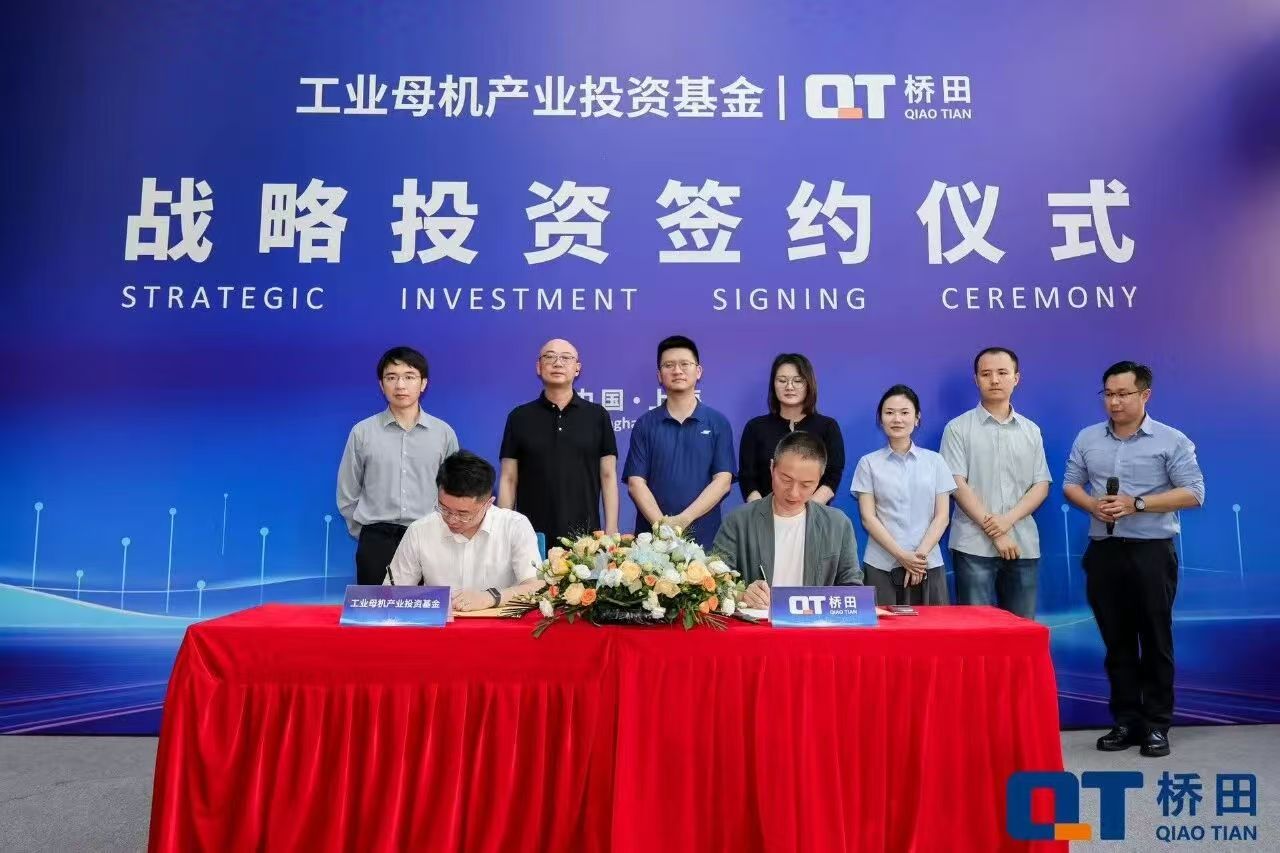
266Yet for Liu Xiaoping, founder of Qiaotian Intelligence, this latest investment feels distinctly different. At the financing signing ceremony, he avoided framing the funding as a milestone victory or resorting to overly upbeat rhetoric. He put it simply: “The investment from the National Industrial Machine Fund marks not an end, but the true starting line for Qiaotian.”

From repeated rejections amid minus-30°C cold to becoming the preferred pick for global industry leaders
Rewind to 2016, when foreign brands held an overwhelming monopoly over China’s robotic quick-change device market. For fledgling Qiaotian, the biggest hurdle was not refining technical specifications, but convincing clients that a domestic manufacturer could deliver reliable performance on critical production lines.
"One experience sticks firmly in my memory. We waited three full hours outside the gate in minus-30-degree Celsius weather just to secure a meeting with a client, and we ultimately earned their trust," Liu Xiaoping recalled.
It was far from an easy start. Qiaotian spent four full years landing its first major client—a lengthy stretch that could easily drain the confidence of most startups. Those four years, however, drove home an early lesson: domestic substitution in high-end manufacturing can never be accomplished with empty slogans. It is not a straightforward swap of imported parts for domestic alternatives, but rather a painstaking process of rebuilding faith in Chinese brands within clients’ most critical, risk-intolerant production links.

Elevating Industrial Dimensions and Building Trust Barriers with Ultimate Stability
The robotic end-effector equipment sector is currently plagued by rampant cutthroat domestic competition. Driven by a surge of domestic manufacturers, price wars have intensified across niche segments including quick-change disks, gripping systems, gluing equipment and riveting devices.
On the surface, the industry appears to be booming rapidly. Yet from an insider’s perspective, Liu Xiaoping sees a grimmer reality: OEMs are seldom troubled by a shortage of suppliers, but by the scarcity of brands capable of securing long-term recognition from major automobile manufacturers. The reasoning is straightforward. On highly automated automotive production lines, inconsistent product performance can trigger unexpected line halts, whose ensuing economic losses far outweigh any savings from low-cost procurement.
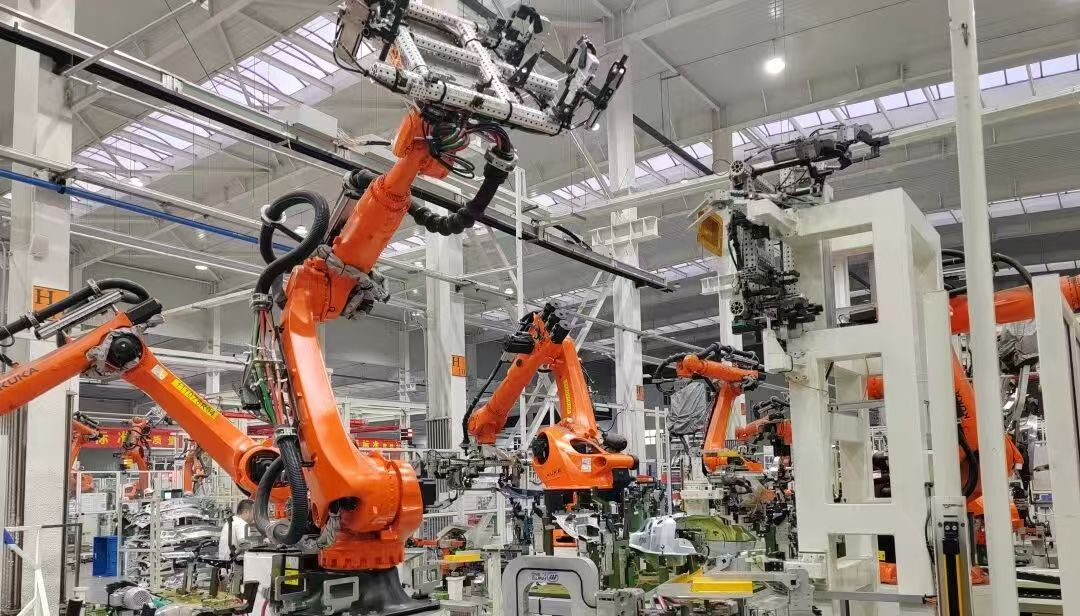
Therefore, Qiaotian chooses to steer clear of low-end price competition and instead opts for industrial upgrading: securing trust through consistent reliability and sustainable growth via earned credibility. To deliver on this strategy, the company has channeled substantial resources into tangible improvements that deliver clear value to clients:
Qiaotian’s quick changers pass stringent 18,000-hour failure-free testing and earn TÜV certification, meeting the industry’s highest safety benchmark PLd Cat.3. Besides, its magnetic die-change system obtained US UL certification this year.
Qiaotian has assembled a complete after-sales team with a commitment to arrive on-site within two hours whenever failures happen on OEM production lines, earning in-depth customer trust via efficient support.
The enterprise has aggressively recruited high-caliber talents starting in 2020 and launched its sophisticated QBS1.0 management system in 2022 to ensure stable operation amid rapid business expansion.

From Product Breakthrough to Ecosystem Co-creation
While early investments from renowned institutions were mainly a vote of confidence in Qiaotian’s commercialization competence and growth potential, the latest injection from the National Industrial Machine Tool Fund carries far greater strategic significance, elevating the niche robotic end-effector equipment sector onto a broader industrial layout.
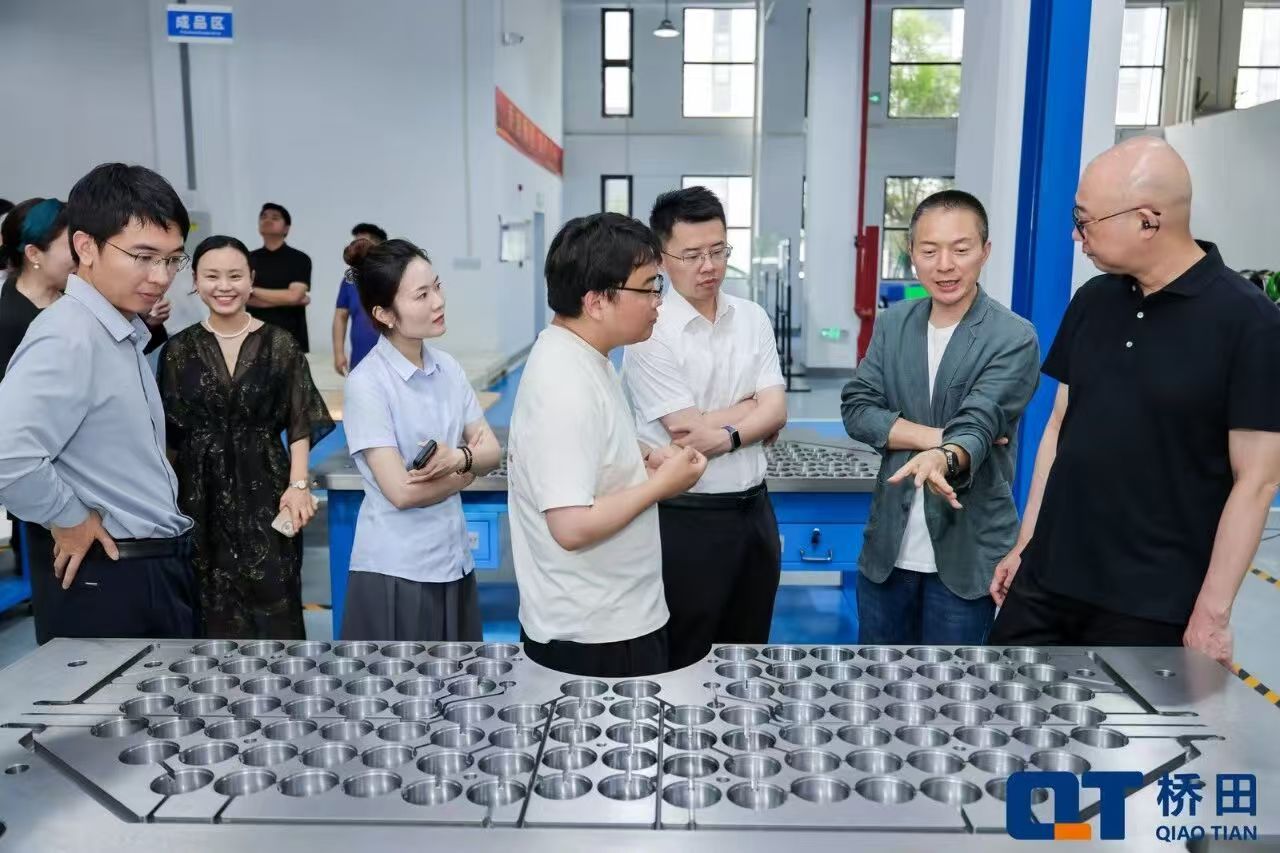
At the signing ceremony, Liu Xiaoping stressed once more that the financing marks the company’s shift from focusing solely on polishing its own products to opening up its methodologies and systems to the whole industrial chain. Its core priority is no longer mere revenue growth, but participating in the development of a healthier industrial ecosystem. Moving forward, Qiaotian Intelligence will press ahead with three key initiatives:
In the absence of unified industry standards, market competition devolves into mere price wars. Qiaotian takes the lead in developing certification systems and association-based industry standards, establishing objective evaluation criteria for product quality. This provides a reliable basis for OEMs’ selection and prevents high-quality manufacturers from being edged out by inferior, low-cost competitors.
Instead of acquiring peers, Qiaotian is building a systematic platform — the QBS system — to help more industry counterparts grow into reputable brands. It supports partners in obtaining certifications, complying with industry standards, and gaining recognition from OEMs. Qiaotian’s vision is not to become the only outstanding player in the market, but to empower more Chinese brands to win mainstream recognition from equipment manufacturers.

“China’s manufacturing sector now boasts abundant product supply, yet what it lacks are trusted domestic brands.”
Liu Xiaoping wrapped up his speech with a down-to-earth remark. As Qiaotian marks its 10th anniversary this year, he recalled choosing the toughest path of domestic substitution a decade ago. Still, he firmly believes: China’s manufacturing industry is flooded with products, yet trusted brands remain in short supply.
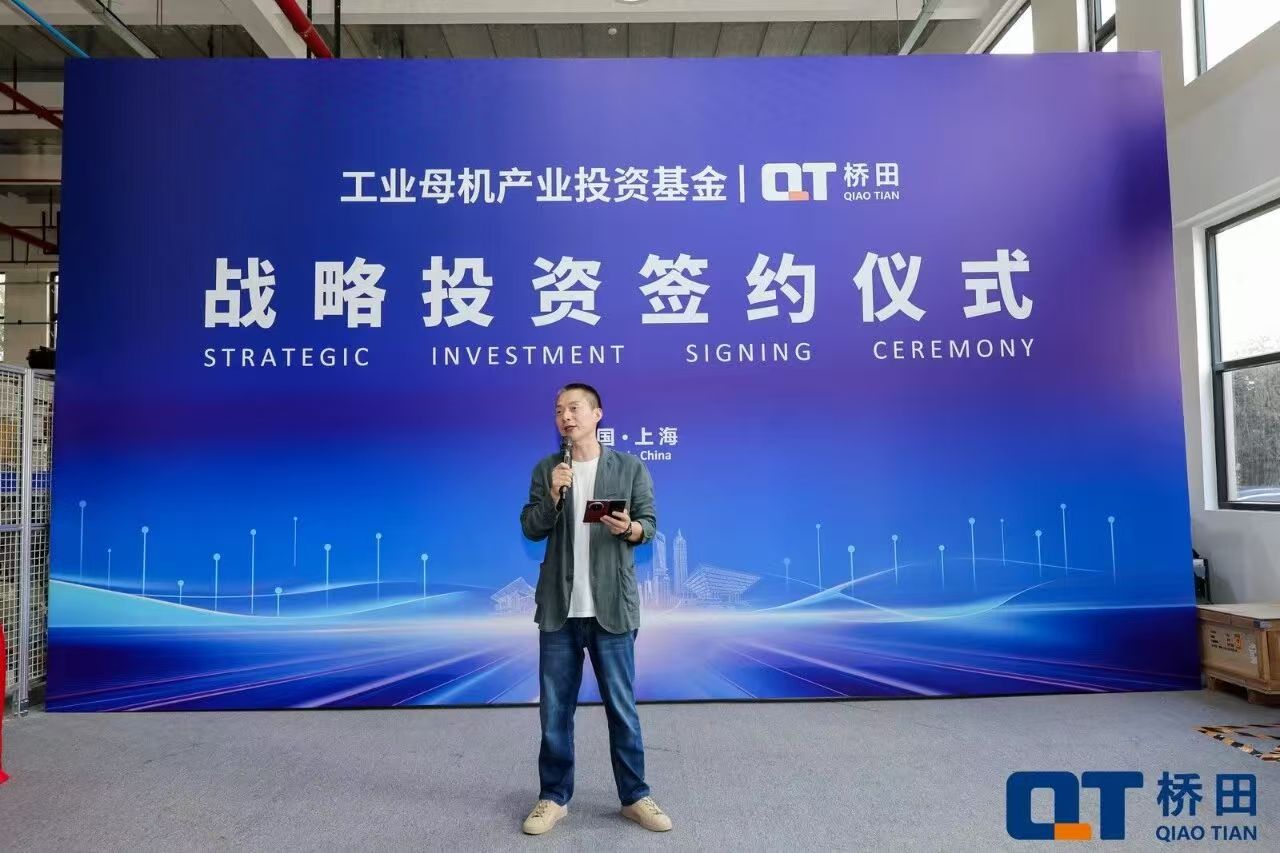
"Today, the National Industrial Machine Fund has chosen Qiaotian not because we have achieved perfection, but because this path is worthwhile and imperative. We will live up to this trust," said Liu Xiaoping.


