


Search


 2026-01-16
 442
442As the wave of intelligent manufacturing sweeps across the globe, how can Chinese private enterprises break free from fierce internal competition and achieve genuine value leapfrogging? And how can founders avoid becoming the "ceiling" of their companies' growth?
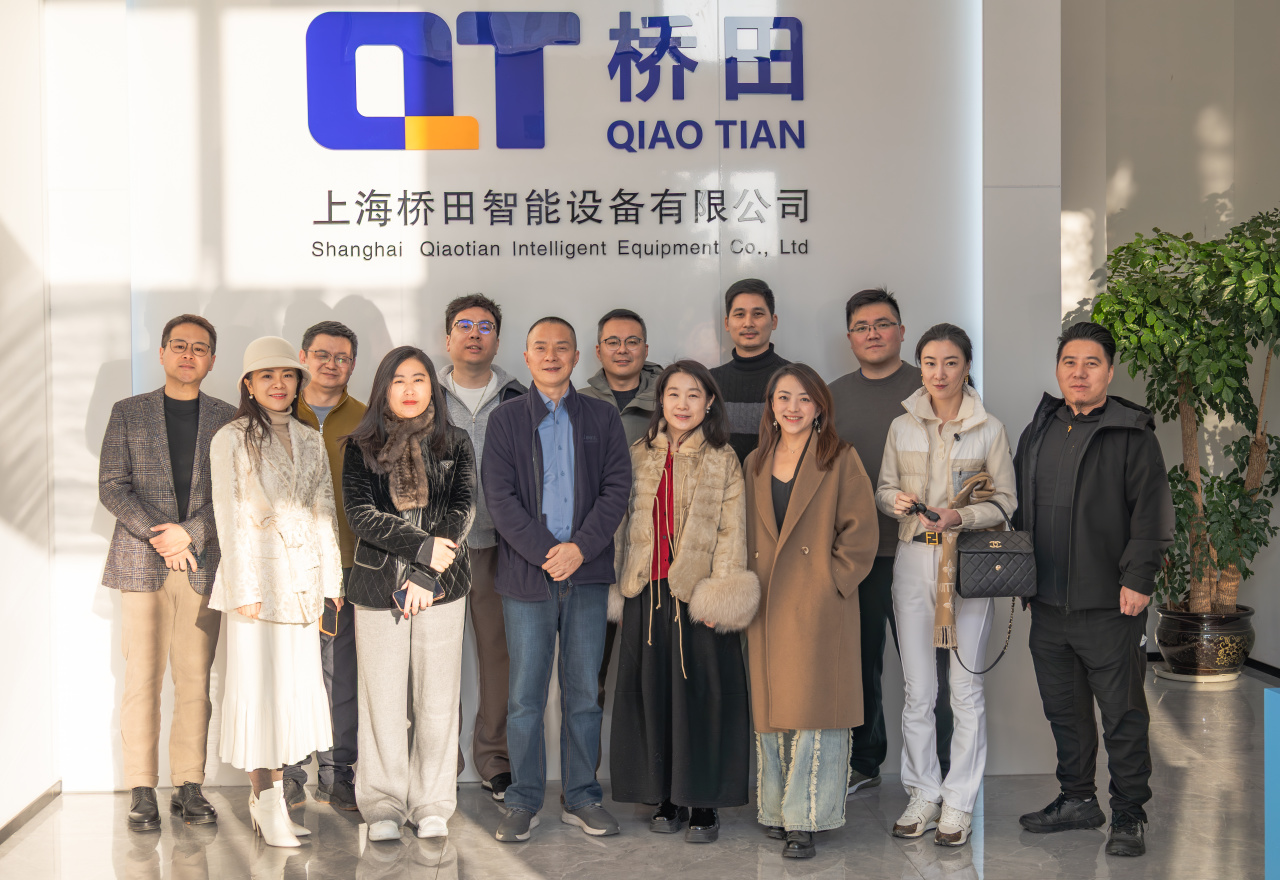
On January 13, 2026, Shanghai Qiaotian Intelligent Equipment Co., Ltd. welcomed a delegation of EMBA students from the Hong Kong University of Science and Technology (HKUST) Class of 2025. The core of this visit was to conduct in-depth discussions with Liu Xiaoping, Founder of Qiaotian Intelligence, around two critical propositions for private enterprise development—"how to build enterprise value" and "breaking the founder ceiling"—and explore key paths for high-quality development of private manufacturing enterprises.
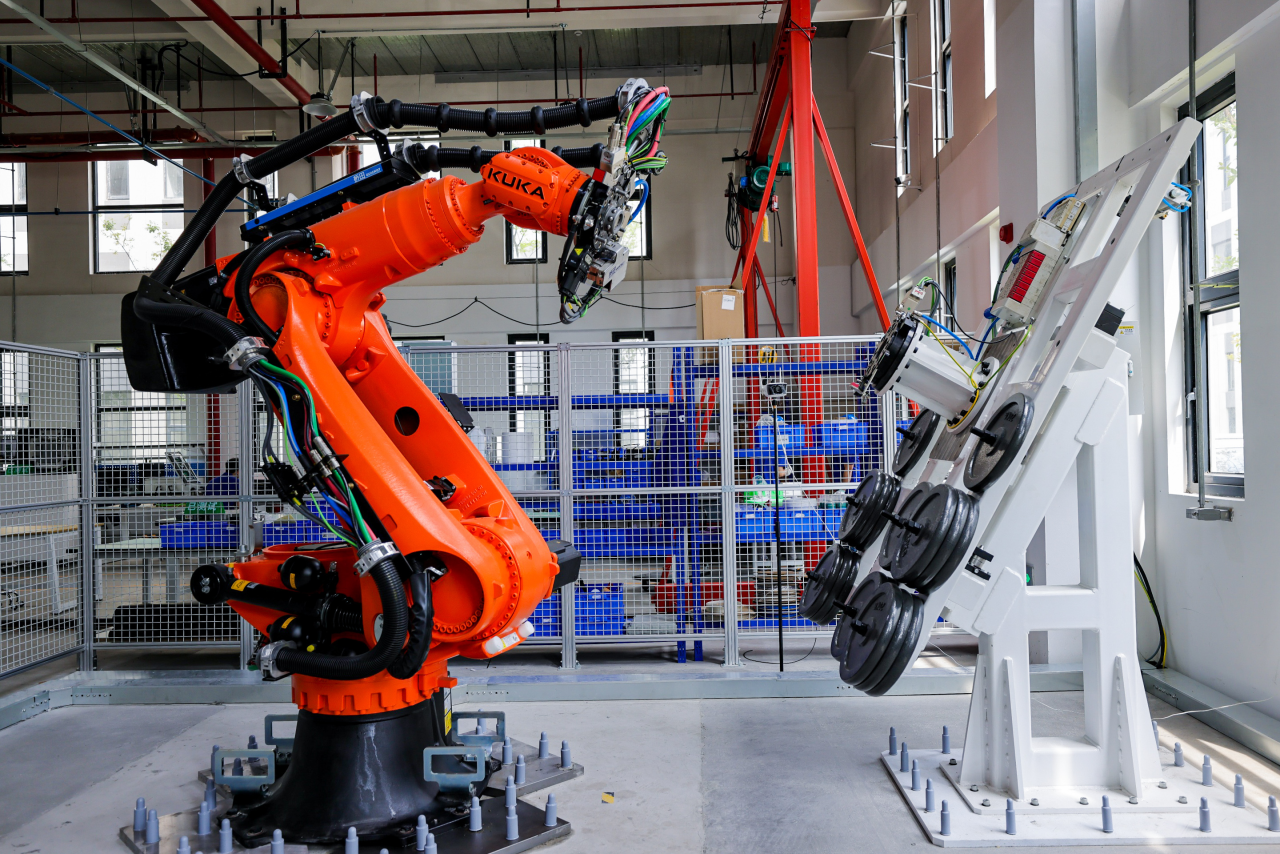
Prior to the event, Liu Xiaoping led the students on a tour of the laboratory and exhibition hall. Through live demonstrations of robotic arms, the students gained an in-depth understanding of the application workstations and operational processes of end-of-arm tools (EOAT) for robots. Subsequently, they visited the assembly and manufacturing workshop to observe on-site the refined management and collaborative models in the production process.
After a short coffee break, the students launched thematic exchanges, focusing on the two core topics of "how to build enterprise value" and "breaking the founder ceiling." Meanwhile, combining Qiaotian's development practices, Founder Liu Xiaoping shared his insights and experiences.

Core Logic of Building Enterprise Value: From Scale-Oriented to Value Reconstruction
"The market is now facing intense internal competition. The core proposition for private manufacturing enterprises has long shifted from 'pursuing scale' to 'building value,'" Liu Xiaoping pointed out the industry pain point at the outset. He explained to the students that "pursuing scale" competes on revenue figures, while the key to "building value" lies in enhancing core value—relying on technological premiums, deepening scenario-based applications, and optimizing profit structures to break free from the drain of price wars and ultimately gain dual recognition from capital and the market. Qiaotian Intelligence itself is a practitioner of this logic.
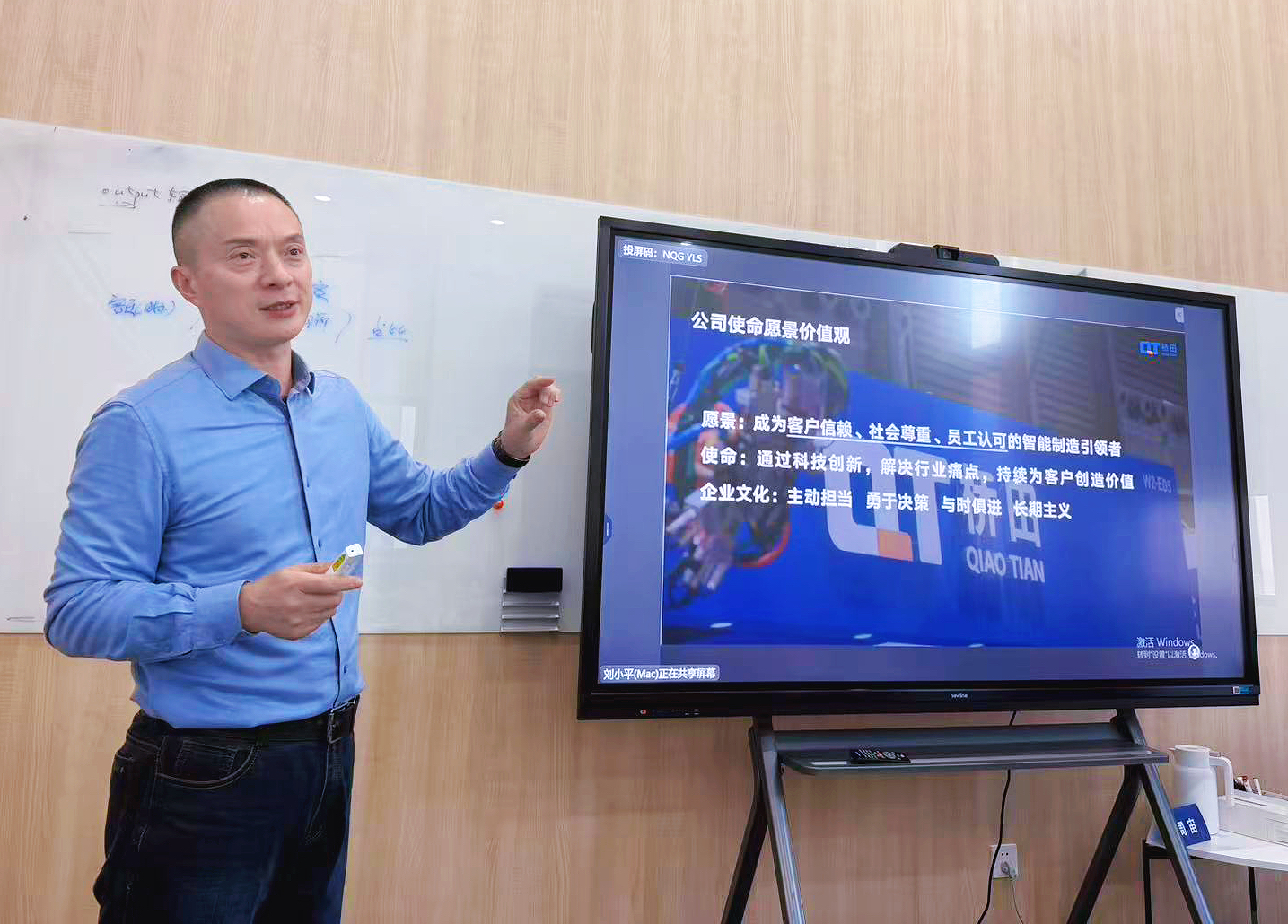
Combining Qiaotian's practices, Liu Xiaoping shared:
The core reason Qiaotian has established a firm foothold in fierce competition is its organizational capability to serve large clients through systematic operations. Although organizational capability seems intangible, it plays a crucial role in transformation. For example, the company has always advocated a culture of simplicity and efficiency—rejecting factionalism and nepotism, and avoiding endless processes and over-management. Therefore, at different stages of Qiaotian's development, the company has maintained clarity and restraint, introducing resources and processes truly suitable for that stage.
For instance, before establishing the development strategy of a multi-category product matrix, the company invested tens of millions to introduce the QBS management system, improved based on Danaher's DBS (Danaher Business System), and gradually refined and iterated lean management processes and methodologies tailored to Qiaotian's development. This enables multiple high-tech barrier products to be operated and implemented within a single company.
After addressing the multi-product development path, returning to the sales end's large client services, Qiaotian has further developed full-chain capabilities: a professional service team, efficient centralized delivery, and a 7x24x365 rapid response mechanism, which can accurately meet the high-difficulty needs of leading clients such as Mercedes-Benz, Volkswagen, and Geely.
Currently, Qiaotian's quick-change plate products rank among the top 3 in the industry in terms of shipment volume, with annual shipments of grinding machine products exceeding 6,000 units. Magnetic mold-changing products have transitioned from small-batch shipments to mass orders.
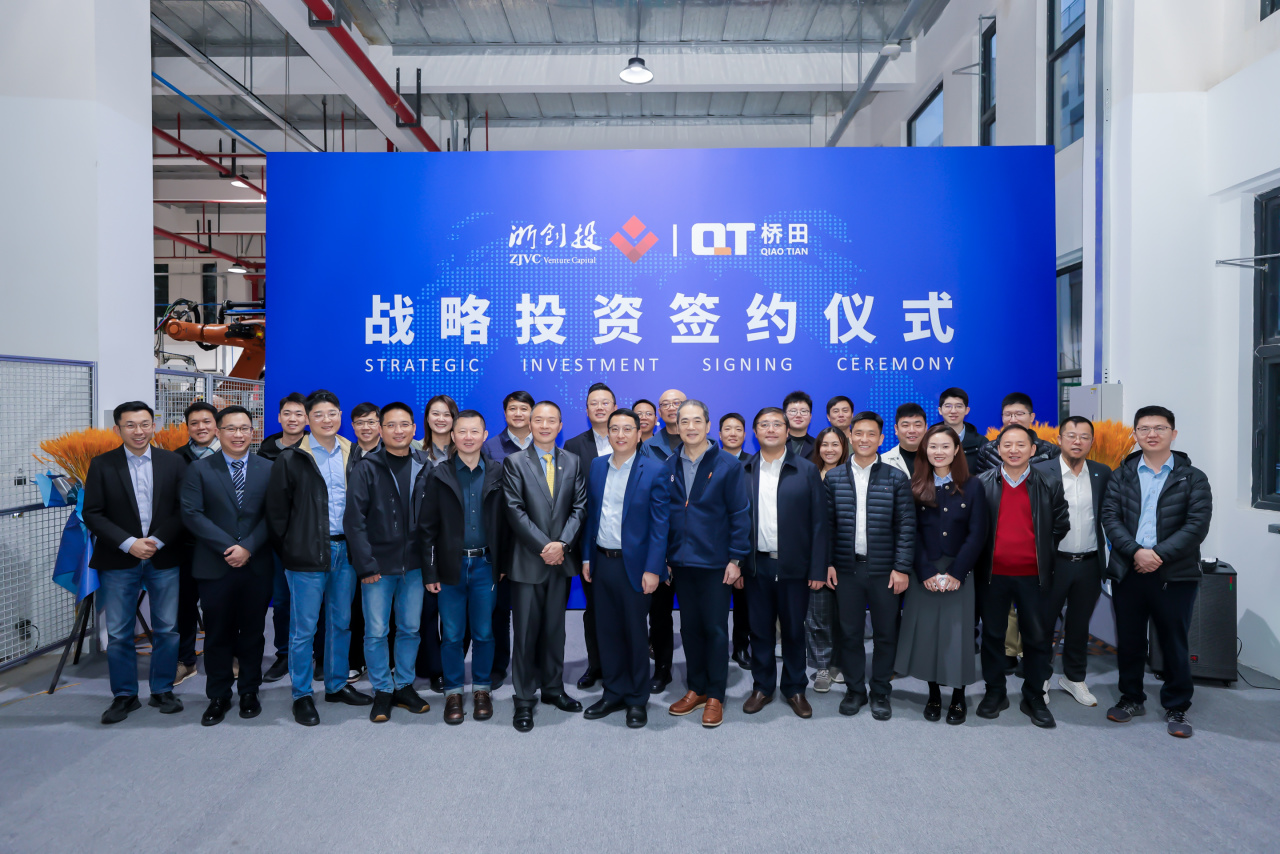
In the past few years, the company has also received investments from industrial capitals including Geely Houtong, Wa Niu Capital (Huichuan), Midea Capital, and ZIVC. The ultimate goal of these capabilities that drive the company's value is to achieve true professionalization of management—enabling the company to operate normally even without the founder's direct involvement.
Breaking the Founder Bottleneck: A Phased Iterative Growth Path
After discussing "how to build enterprise value," the focus naturally shifted to another core topic—"breaking the founder ceiling." This topic also resonated with many students' pain points, as they actively shared their confusions based on personal experiences. Combining Qiaotian's development journey from 0 to 1 and 1 to 10, Liu Xiaoping shared practical insights on phased growth.
He stated that in the initial 0-to-1 startup phase, founders must personally lead the team to establish benchmarks. After Qiaotian's establishment in 2016, Liu himself took the lead. Leveraging his industry experience as Production Plant Manager and Technical Director at Sodick, he successfully defined and developed the company's initial products. In the process of launching products to the market, relying on insights into the needs of automotive OEMs and the trend of domestic brand substitution, Qiaotian has successively established strategic cooperation with leading automotive OEM clients such as Hongqi, FAW-Volkswagen, Geely, and Mercedes-Benz, laying a solid foundation in the niche market of robotic end-of-arm equipment.
However, as the company scales up, individual-driven management becomes insufficient. Liu Xiaoping elaborated in detail and discussed in depth with the students: When the number of employees exceeds 100, founders need to address "invisible problems" and focus on team building; when exceeding 300, the focus shifts to organizational capability development, clarifying what kind of team can deliver results; when the scale exceeds 1 billion RMB, it is necessary to break through multi-category operation and cross-organizational integration capabilities. "The key to breaking bottlenecks is being able to recognize what constitutes excellence, understand the logic behind building excellence, and then find feasible methods to achieve it," he shared—an insight that resonated with many entrepreneurs present, who nodded in agreement.
He admitted that in the early days of entrepreneurship, he tried to control everything. But as the company grew from dozens to hundreds of employees, he gradually realized that founders need to transform from "all-rounders" to "platform builders." For example, he used to personally oversee R&D details but later delegated this to a Product Director with a doctoral background and mechanical structure experts; he used to directly engage with clients but now relies on a professional large-client sales team and digital systems for support. "Founders must learn to let go and entrust professional tasks to professionals. Your core responsibility is to build a platform that allows the team to realize their value, not to be an all-round expert yourself," he emphasized, combining Qiaotian's transformation experience. He also highlighted that the key to role transition lies in recognizing the core goals of different stages—avoiding overstepping or neglecting responsibilities.
Summary of Core Insights: Dual Cultivation for Private Enterprise Growth
Throughout the exchange, consensus was reached on the two core themes of "how to build enterprise value" and "breaking the founder ceiling." From Liu Xiaoping's perspective, the growth of private enterprises essentially involves dual cultivation of "value reconstruction" and "self-breakthrough": "Building value" is the foundation, requiring systematic capabilities to consolidate the value base; breaking the founder ceiling is the driving force, requiring founders to iteratively adjust their roles in line with the company's scale.
Combined with Qiaotian's positioning in high-end substitution, some students also asked about industry trends, and Liu Xiaoping shared his analysis: The robotic end-of-arm equipment sector has high technological barriers and long certification cycles. For example, TÜV safety certification and VDA6.4 certification require long-term accumulation, and winning over leading clients can take 3 to 5 years. While this poses a threshold for small and medium-sized enterprises, it also presents opportunities.
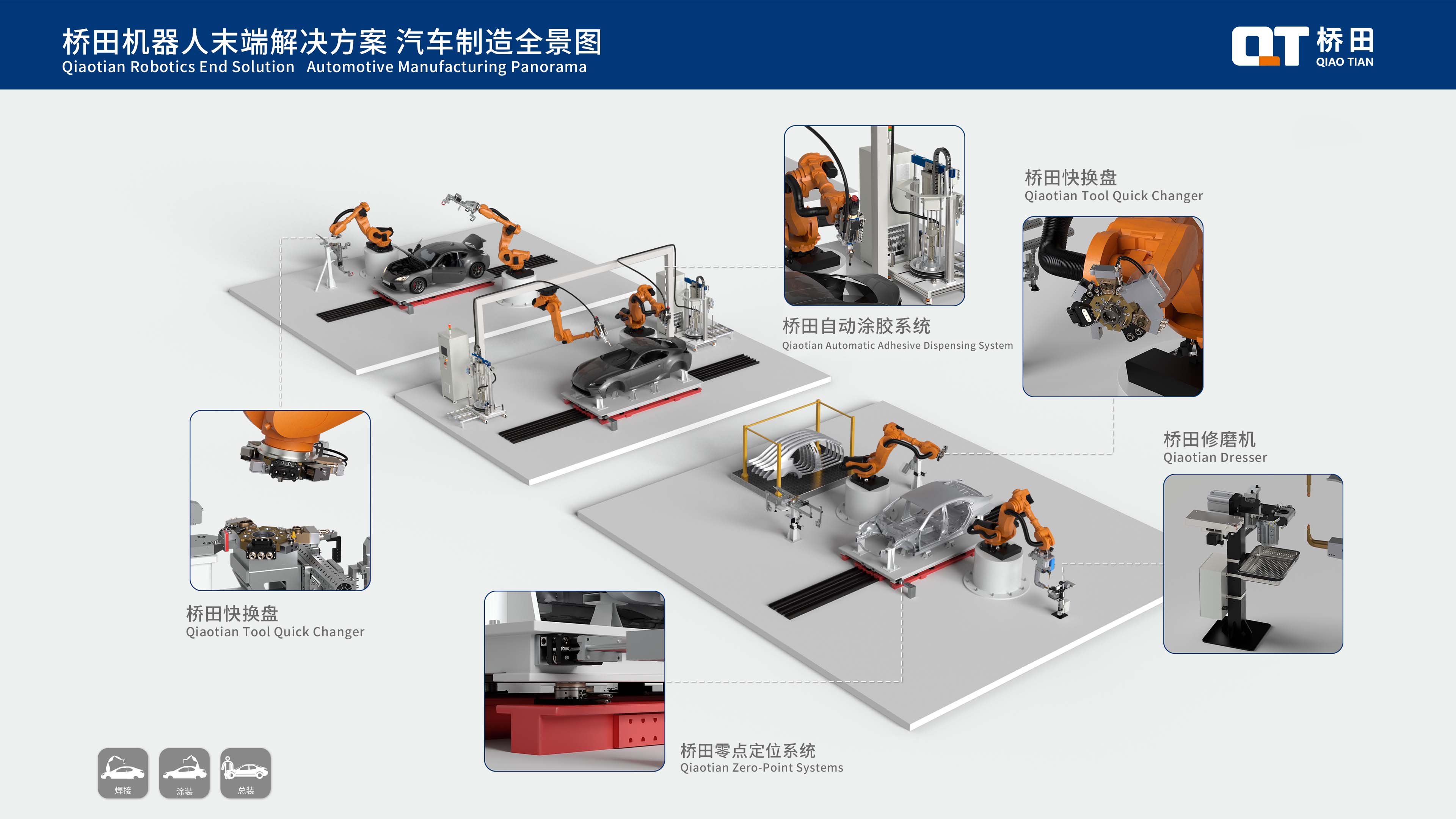
He noted that the industry is large but fragmented, with the market size of individual niche products ranging from 20 million to 500 million RMB. Large companies disdain single-product operations, while small companies lack the capability for multi-category scaling.
Qiaotian's strategy is "independent R&D + integration": independently developing products with high technological barriers and foreign capital monopolies, such as quick-change plates and electromagnetic grippers; integrating products where leading enterprises hold a single-product market share of 20 million to 50 million RMB through cooperation. The ultimate goal is to become a leading brand in robotic end-of-arm tools.
Currently, the company has formed a product matrix consisting of 3-5 100-million-RMB-level products and 5-8 10-million-RMB-level products. It also plans to launch new high-tech barrier products for the four major automotive processes in 2026. This model not only leverages its own technological advantages but also enables rapid market penetration, making it suitable for private enterprises in niche sectors to break through.
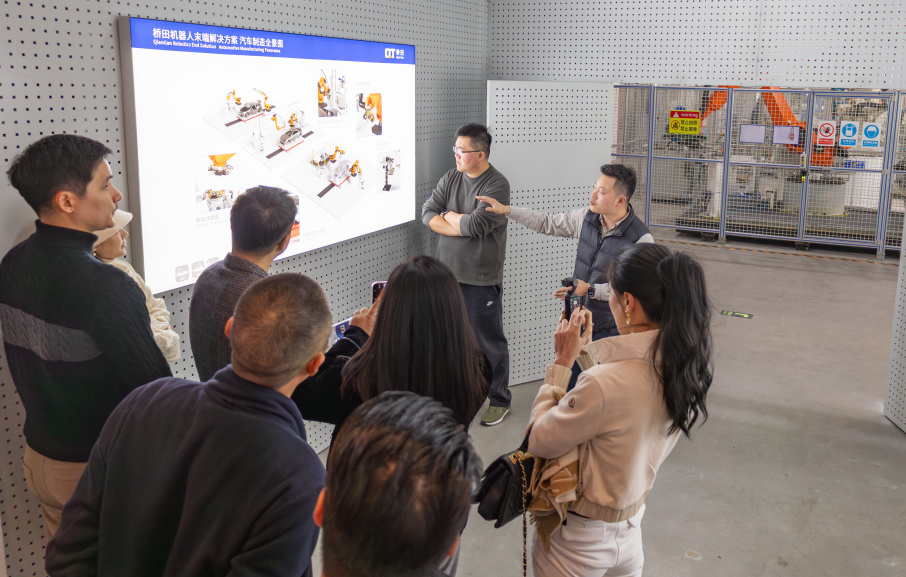
For the EMBA students present, this visit to Qiaotian Intelligence not only showcased the growth path of a leading enterprise in a niche sector but also provided a set of actionable enterprise development methodologies—whether the value-oriented approach of "building value" or the phased iterative growth mindset for founders. These insights offer valuable practical references for private manufacturing enterprises to achieve high-quality development amid the wave of intelligent manufacturing.


